Nairobi's skyline is changing fast. With more high-rises per capita than any other sub-Saharan city outside South Africa, the demand for reliable vertical mobility has never been higher.
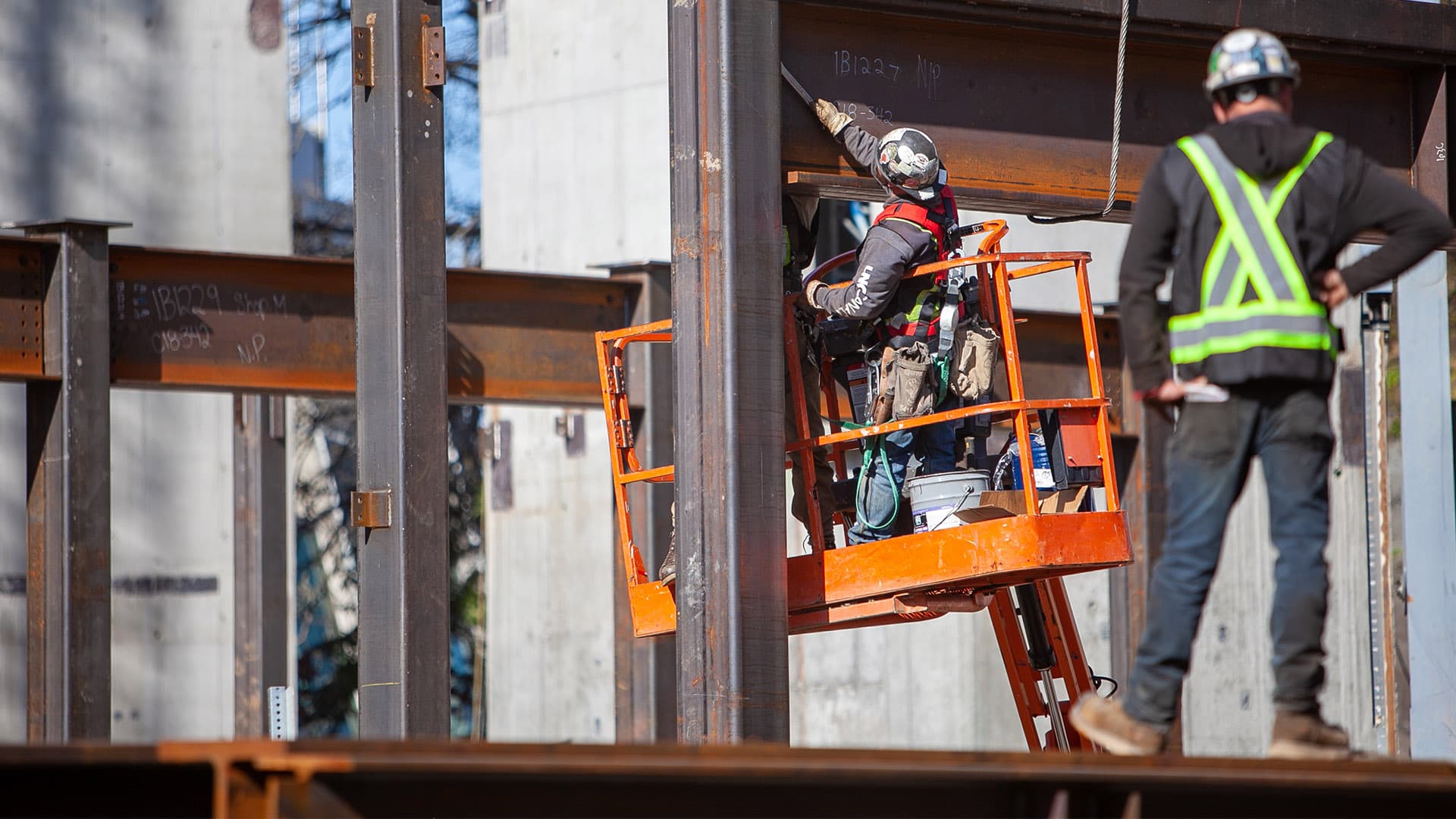
Stand on Ngong Road on any weekday morning and watch the skyline. Cranes mark the positions of towers that did not exist two years ago. Westlands, Upper Hill, Kilimani and the new Nairobi CBD are seeing construction activity that would have been unimaginable in the 1990s. East Africa's urbanisation story is moving faster than almost anywhere else in the world — and it is moving upward.
This vertical growth is creating enormous demand for reliable, high-quality vertical transportation. But the market is not yet mature. Supply of elevators has not kept pace with construction activity, maintenance infrastructure is still developing, and the regulatory framework is catching up with the physical reality on the ground. Understanding these dynamics is essential for anyone developing, managing or investing in East African real estate.
4.5%
Kenya annual GDP growth (2024 est.)
35%
Urban population share — projected 50% by 2035
29
Floors — tallest Skymax installation (Le Maq)
2nd
Nairobi ranks in Africa for new office supply
The Numbers Behind the Boom
Kenya's urban population is growing at approximately 4.2% per year — one of the fastest rates in sub-Saharan Africa. Nairobi alone adds an estimated 150,000 residents annually. This growth, combined with increasing formality in the real estate sector and expanding middle-class demand for quality residential space, is driving a construction cycle that shows no sign of slowing.
The commercial real estate picture is similarly active. Nairobi has consistently ranked in the top three African cities for new office space delivery over the past five years. Upper Hill — which fifteen years ago was a residential neighbourhood — is now one of the continent's most concentrated corporate office clusters. The Nairobi Expressway corridor is generating new mixed-use development at a pace that planners are still mapping.
The Vertical Transport Deficit
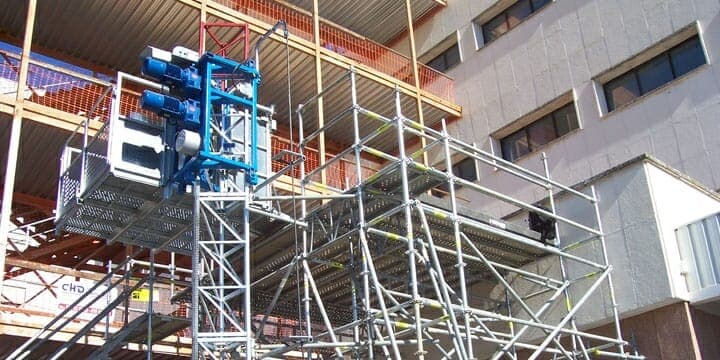
The challenge for the elevator industry in East Africa is not demand — it is supply chain and maintenance capacity. A significant proportion of elevators installed in Kenya over the past fifteen years were purchased on price, from manufacturers with limited regional presence, with no meaningful after-sales infrastructure. The result is buildings full of elevators that break down frequently and cannot be repaired quickly because parts and qualified technicians are not locally available.
This is a market inefficiency that creates real costs. Every hour a lift is out of service in a busy office building costs productivity. In a hospital, it affects patient care. In a residential building, it erodes tenant satisfaction and property value. The industry has begun to respond — but the gap between the volume of installations and the depth of after-sales capability remains significant.
Why local after-sales capability matters more than purchase price
An elevator purchased at 20% below market price from a supplier with no regional presence will cost more over its service life than a properly supported installation. When the control board fails at 11pm, the question is not how much you paid — it is who answers the phone. Skymax has maintenance teams in Nairobi, Mombasa, Kisumu and Tanzania, available 24 hours a day.
Tanzania: The Next Frontier
While Kenya's building boom is well established, Tanzania is at an earlier and arguably more exciting stage. Dar es Salaam is growing faster than any other East African capital by population — and the construction sector is responding. A wave of mixed-use towers, hotel developments and healthcare facilities is under construction or in the pipeline.
Skymax has been present in Tanzania since our installation at Muhimbili National Hospital — one of the largest single elevator installations in the region at 14 units. We have partner offices in Dar es Salaam and Arusha and are actively growing our maintenance capability to match Tanzania's accelerating development pace.
The Technology Shift: What Modern Buildings Demand
The expectations of developers, architects and tenants in Nairobi have changed significantly in the past decade. A decade ago, any elevator that went up and down was acceptable. Today, developers are specifying destination control systems, smart building integration, regenerative drives with energy reporting, and remote monitoring with real-time fault alerts.
Technology features now being specified in Nairobi's premier developments
- Destination control systems — passengers enter their floor destination at the lobby, not inside the car
- VVVF drives with regenerative braking — energy fed back to the building grid on descent
- Remote monitoring — real-time performance data available to the facilities team and the contractor
- Integration with access control — elevator called automatically when tenant badges into the lobby
- Energy management reporting — elevator consumption data fed into building management systems
- Touchless controls — particularly relevant since 2020 in high-traffic lobby environments
What This Means for Developers Right Now
If you are developing in Nairobi, Mombasa, Kisumu or any of Tanzania's major cities, the elevator decision you make today will define your building's performance and your tenants' experience for the next two to three decades. The right approach is to engage your elevator specialist at concept design stage — before the shaft dimensions are fixed, before the structural loads are calculated, before the MEP design is started.
Early engagement allows the elevator to be integrated into the building design rather than retrofitted to it. It allows the traffic analysis to influence the architectural layout. It ensures the specification matches the building's actual demand — not a generic default that the architect's previous consultant specified on a different project.
Engage Us at Design Stage
We work with architects and developers from concept through to commissioning. Early engagement costs nothing and can save significantly on construction costs while ensuring your building gets the vertical transport system it actually needs. Get in touch to discuss your project.
Get in Touch